NEDS: Making software visible in a hardware world
NEDS: Making software visible in a hardware world
Defence exhibitions favour physical platforms. Hardware is immediate and visible, while software must clearly articulate its operational value in a hardware-led environment.
Defence exhibitions favour physical platforms. Hardware is immediate and visible, while software must clearly articulate its operational value in a hardware-led environment.
Events
Defence exhibitions are traditionally dominated by hardware. Platforms are tangible, and look impressive. For software, it is challenging to stand out.
That reality shaped Intelic’s presence at NEDS. Preparation started well in advance, with a clear challenge: how to make mission software stand out in an environment designed around physical systems.
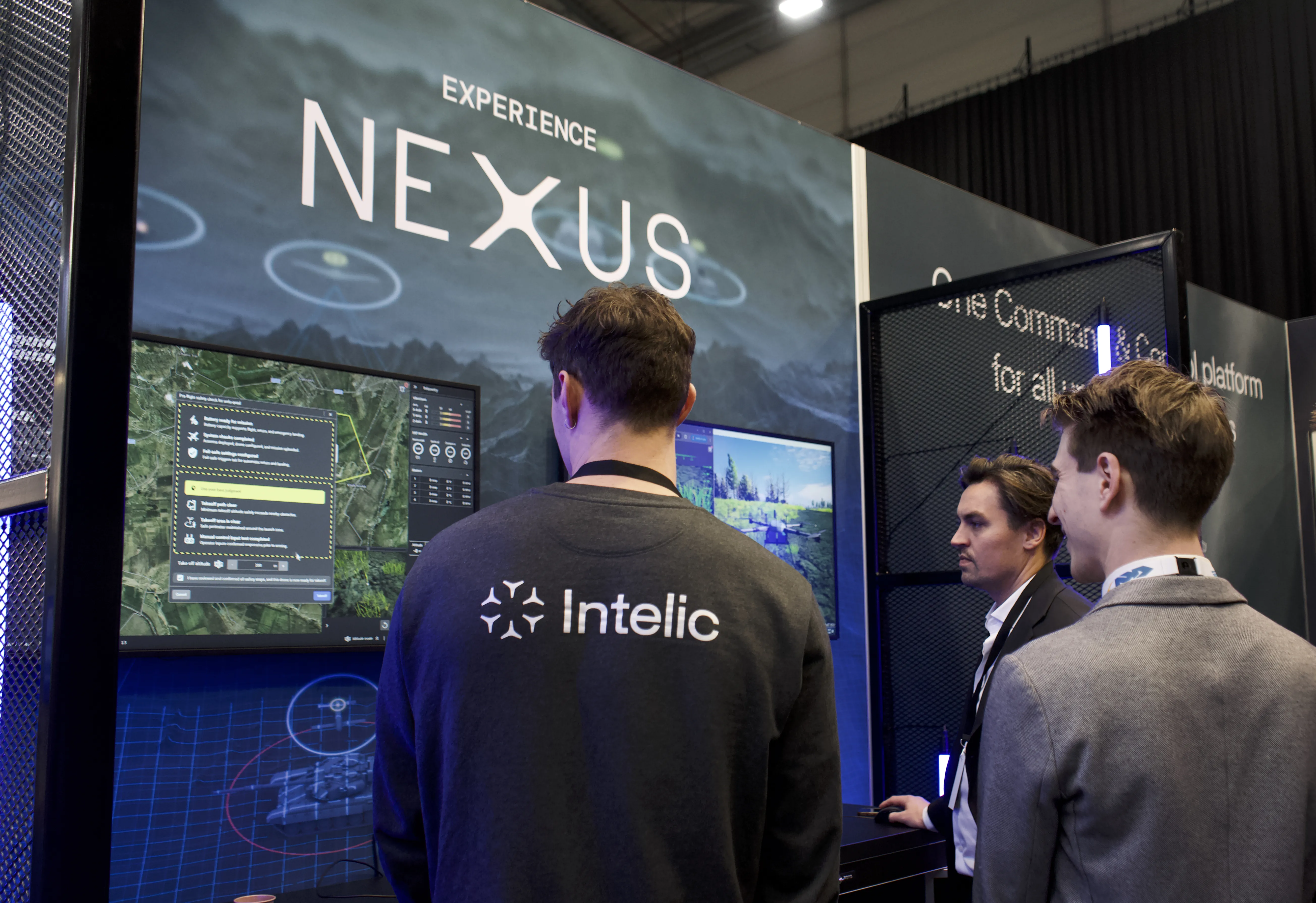
The answer was not louder messaging, but clarity. Intelic focused on showing how Nexus works in practice. The stand featured an interactive software demo, partner drones positioned within the space, mission profile videos and clear visual language across the venue. Pre-event outreach and targeted invitations helped ensure the right conversations started early.
Equally important was the team on the stand. Intelic brought a multidisciplinary group, including management, business development, product managers and engineers. This allowed the team to engage meaningfully with a wide range of visitors, from policymakers and strategists to end-users and system manufacturers.
Across those conversations, a recurring theme emerged: fragmentation. Too many interfaces. Too much operator burden. Nexus was consistently discussed as a practical example of how intent-based Command & Control and interoperability can reduce complexity without removing human oversight.
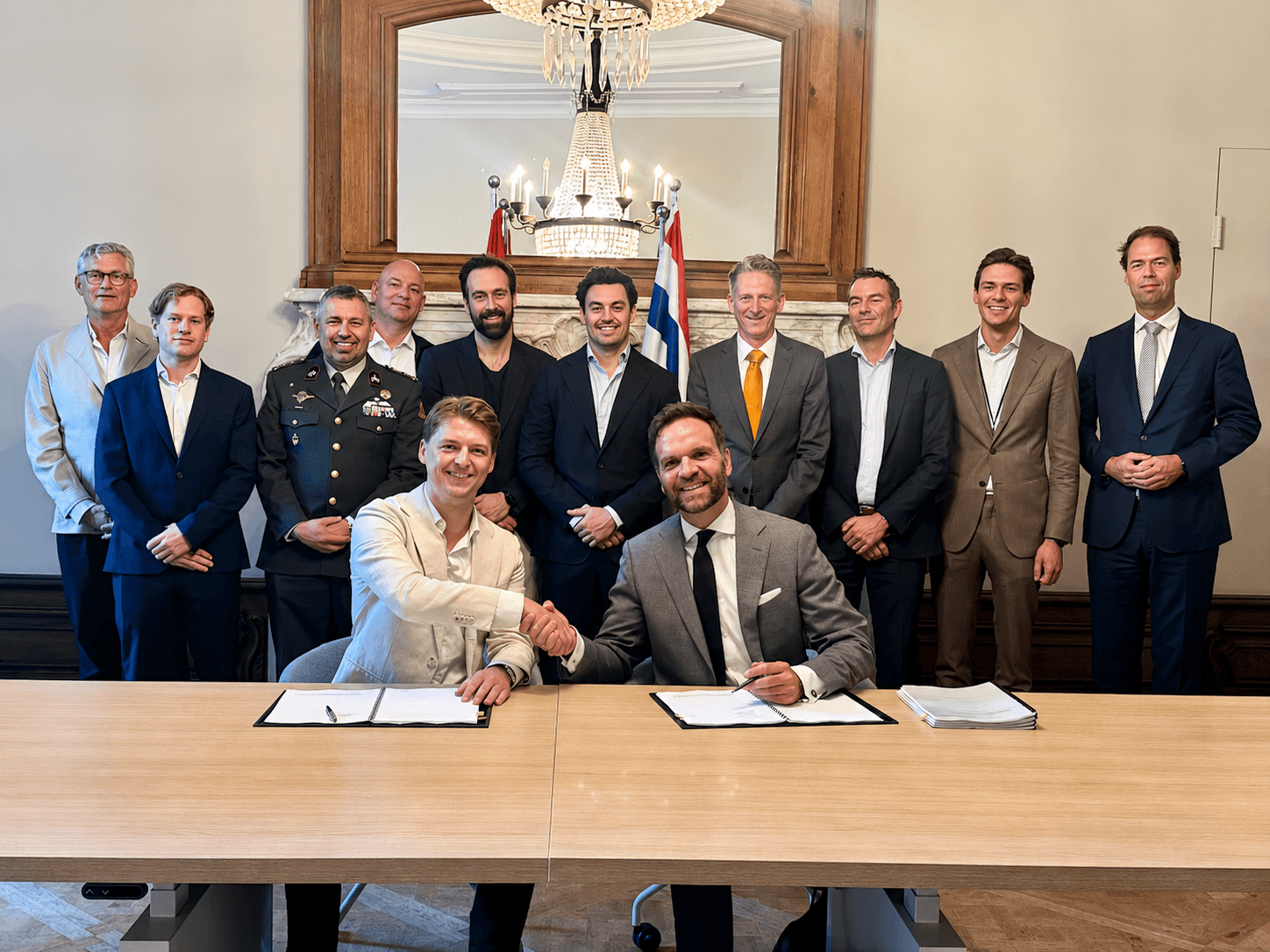
NEDS also provided the setting for formalising several collaborations and partnerships, including agreements with organisations such as DroneShield and Gurzuf. These moments were not treated as announcements, but as outcomes of prior technical alignment and shared operational understanding.
Perhaps the most valuable result of the event was insight. Conversations with users and partners fed directly into discussions about future Nexus capabilities and integration priorities. They reaffirmed a core principle that guides Intelic’s development approach: software only matters if it fits the workflow of those who rely on it under pressure.
Looking ahead, Intelic sees events like NEDS not as showcases, but as working environments. Places where assumptions are tested, architecture is challenged, and partnerships are built around real operational needs.
That is where meaningful progress begins.
Defence exhibitions are traditionally dominated by hardware. Platforms are tangible, and look impressive. For software, it is challenging to stand out.
That reality shaped Intelic’s presence at NEDS. Preparation started well in advance, with a clear challenge: how to make mission software stand out in an environment designed around physical systems.
The answer was not louder messaging, but clarity. Intelic focused on showing how Nexus works in practice. The stand featured an interactive software demo, partner drones positioned within the space, mission profile videos and clear visual language across the venue. Pre-event outreach and targeted invitations helped ensure the right conversations started early.
Equally important was the team on the stand. Intelic brought a multidisciplinary group, including management, business development, product managers and engineers. This allowed the team to engage meaningfully with a wide range of visitors, from policymakers and strategists to end-users and system manufacturers.
Across those conversations, a recurring theme emerged: fragmentation. Too many interfaces. Too much operator burden. Nexus was consistently discussed as a practical example of how intent-based Command & Control and interoperability can reduce complexity without removing human oversight.
NEDS also provided the setting for formalising several collaborations and partnerships, including agreements with organisations such as DroneShield and Gurzuf. These moments were not treated as announcements, but as outcomes of prior technical alignment and shared operational understanding.
Perhaps the most valuable result of the event was insight. Conversations with users and partners fed directly into discussions about future Nexus capabilities and integration priorities. They reaffirmed a core principle that guides Intelic’s development approach: software only matters if it fits the workflow of those who rely on it under pressure.
Looking ahead, Intelic sees events like NEDS not as showcases, but as working environments. Places where assumptions are tested, architecture is challenged, and partnerships are built around real operational needs.
That is where meaningful progress begins.