Dutch Ministry of Defence invests in partnership with Intelic worth more than 30 million euros
Dutch Ministry of Defence invests in partnership with Intelic worth more than 30 million euros
The Dutch Ministry of Defence has signed a strategic partnership with Intelic to build the software foundation focused on interoperability for its future unmanned systems ecosystem
The Dutch Ministry of Defence has signed a strategic partnership with Intelic to build the software foundation focused on interoperability for its future unmanned systems ecosystem
Company
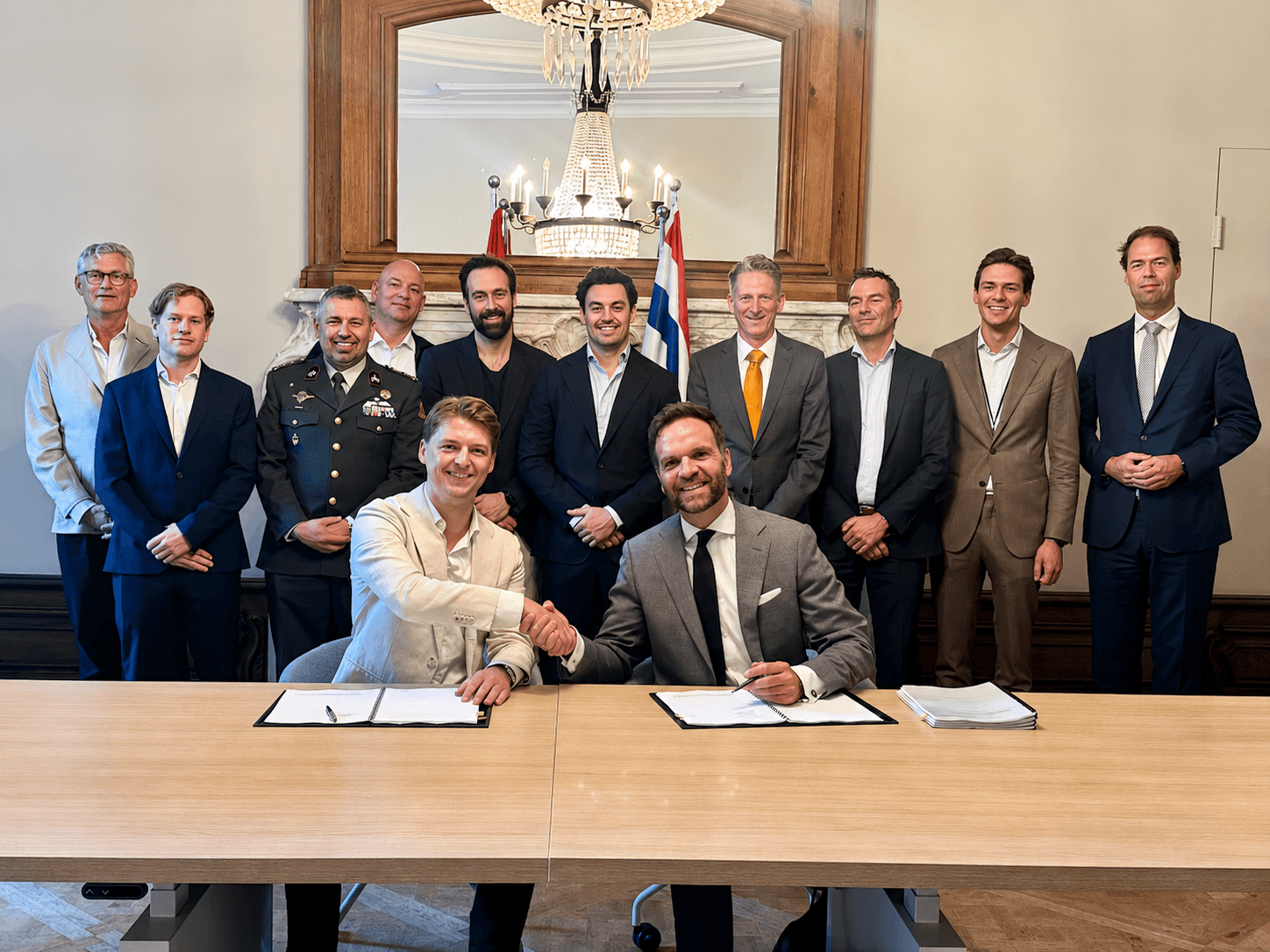
The Dutch Ministry of Defence has signed a strategic partnership worth more than 30 million euros with Intelic to build the software foundation for its future unmanned systems ecosystem, making the Netherlands the first country in the world to formally invest in a Software-First approach to military interoperability.
The three-year agreement marks a shift in how defence capabilities are developed. Rather than acquiring platforms first and addressing integration challenges later, the Dutch Ministry of Defence is making interoperability the starting point of its strategy.
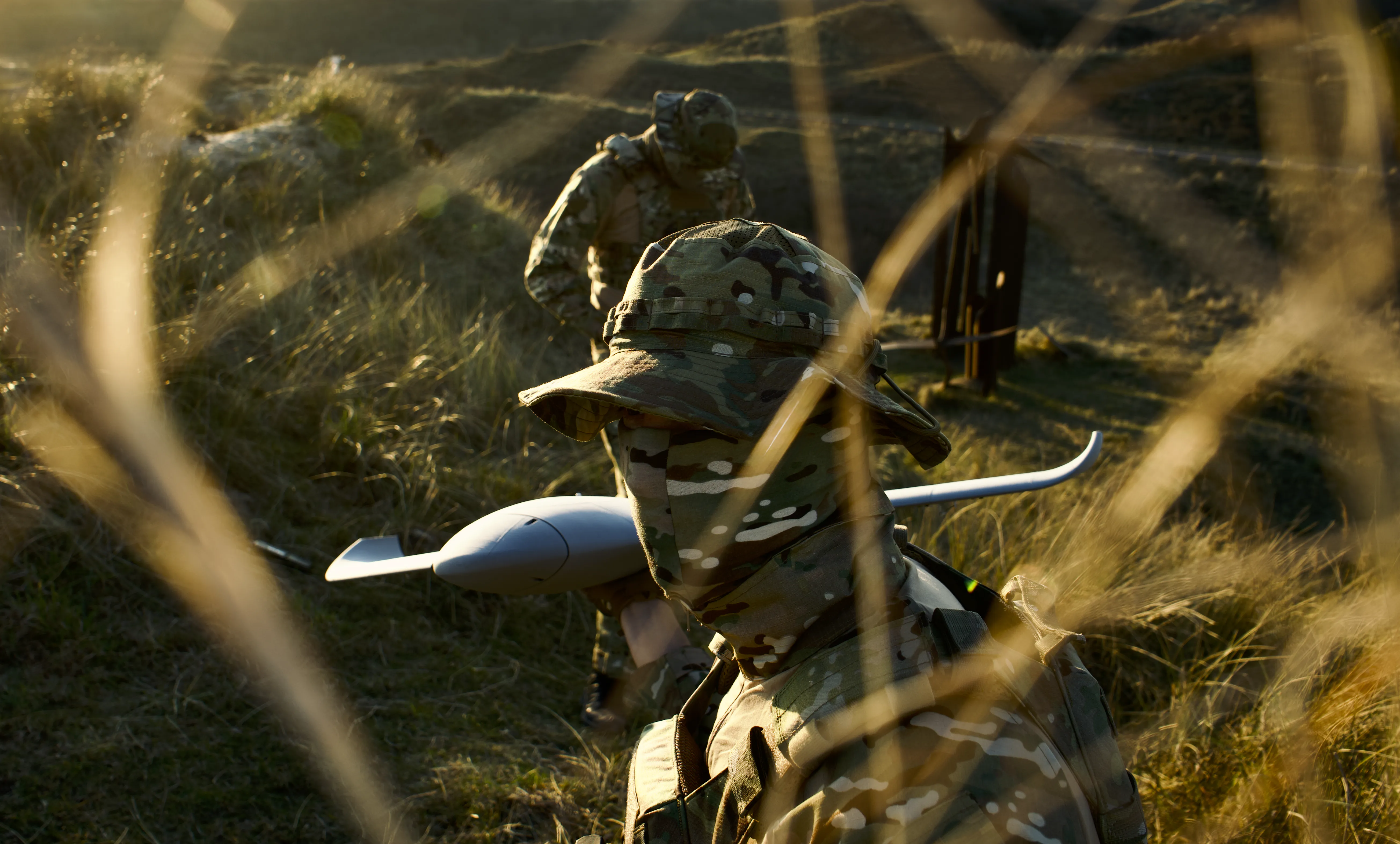
Under the partnership, Intelic will work closely with the Ministry over the next three years to develop and evolve the software architecture required to connect unmanned aerial and ground systems into a single operational ecosystem. Central to this partnership is Intelic’s Command-and-Control software NEXUS, that enables unmanned systems from different manufacturers to operate together within a single mission environment. This greatly reduces deployment times and training for operators, and ensures that different unmanned systems work together reliably.
Interoperability First
The rapid evolution of drone warfare and autonomous systems has exposed a growing challenge for military organisations: fragmented technologies that struggle to work together.
By adopting a Software-First strategy, the Netherlands aims to ensure that new technologies, sensors and capabilities can be integrated quickly and effectively, regardless of platform or manufacturer.
"Ukraine teaches us that not only the hardware, but also the software is of great importance. Making different drone systems work together makes the fight easier. I am proud that a Dutch company can now meet this demand. We are entering into a partnership together, leaving the classic customer-supplier relationship behind us and committing to each other for a longer period of time."
– Derk Boswijk, Minister for Arms Procurement and Personnel of the Netherlands (Staatssecretaris van Defensie)
This approach is greatly informed by the Ukrainian frontline which is demonstrating the necessity of interoperable systems in enabling superior surveillance, supply chain management and defence. NEXUS has been used on the battlefield in Ukraine since 2025, allowing drone operators to respond rapidly to changing conditions.
Building the Software Foundation for Future Defence
The partnership builds on Intelic’s vision of software-defined interoperability. Earlier this year, the company launched Intelic BASE, a procurement platform connecting European drone manufacturers with Ministries of Defence, helping governments explore and identify unmanned systems that are already integrated with NEXUS across the European defence industrial base.
By focusing on interoperability before procurement decisions are made, the Dutch Ministry of Defence aims to reduce integration risks, accelerate deployment timelines and remain flexible as new technologies emerge.
"Europe now has more than 700 drone manufacturers, and that number continues to grow. For defence organisations, the challenge is no longer access to technology, but ensuring those technologies can operate together. Military advantage increasingly depends on software that connects platforms rather than locking governments into individual systems. This partnership reflects a fundamental shift from platform-centric procurement to software-defined defence capabilities built around interoperability."
– Maurits Korthals Altes, CEO of Intelic
The partnership represents a significant milestone for Intelic and reinforces the growing role of software as the foundation of future military capability. For the Netherlands, it establishes a new model for defence modernization built around adaptability, interoperability and operational readiness from day one.
The Dutch Ministry of Defence has signed a strategic partnership worth more than 30 million euros with Intelic to build the software foundation for its future unmanned systems ecosystem, making the Netherlands the first country in the world to formally invest in a Software-First approach to military interoperability.
The three-year agreement marks a shift in how defence capabilities are developed. Rather than acquiring platforms first and addressing integration challenges later, the Dutch Ministry of Defence is making interoperability the starting point of its strategy.
Under the partnership, Intelic will work closely with the Ministry over the next three years to develop and evolve the software architecture required to connect unmanned aerial and ground systems into a single operational ecosystem. Central to this partnership is Intelic’s Command-and-Control software NEXUS, that enables unmanned systems from different manufacturers to operate together within a single mission environment. This greatly reduces deployment times and training for operators, and ensures that different unmanned systems work together reliably.
Interoperability First
The rapid evolution of drone warfare and autonomous systems has exposed a growing challenge for military organisations: fragmented technologies that struggle to work together.
By adopting a Software-First strategy, the Netherlands aims to ensure that new technologies, sensors and capabilities can be integrated quickly and effectively, regardless of platform or manufacturer.
"Ukraine teaches us that not only the hardware, but also the software is of great importance. Making different drone systems work together makes the fight easier. I am proud that a Dutch company can now meet this demand. We are entering into a partnership together, leaving the classic customer-supplier relationship behind us and committing to each other for a longer period of time."
– Derk Boswijk, Minister for Arms Procurement and Personnel of the Netherlands (Staatssecretaris van Defensie)
This approach is greatly informed by the Ukrainian frontline which is demonstrating the necessity of interoperable systems in enabling superior surveillance, supply chain management and defence. NEXUS has been used on the battlefield in Ukraine since 2025, allowing drone operators to respond rapidly to changing conditions.
Building the Software Foundation for Future Defence
The partnership builds on Intelic’s vision of software-defined interoperability. Earlier this year, the company launched Intelic BASE, a procurement platform connecting European drone manufacturers with Ministries of Defence, helping governments explore and identify unmanned systems that are already integrated with NEXUS across the European defence industrial base.
By focusing on interoperability before procurement decisions are made, the Dutch Ministry of Defence aims to reduce integration risks, accelerate deployment timelines and remain flexible as new technologies emerge.
"Europe now has more than 700 drone manufacturers, and that number continues to grow. For defence organisations, the challenge is no longer access to technology, but ensuring those technologies can operate together. Military advantage increasingly depends on software that connects platforms rather than locking governments into individual systems. This partnership reflects a fundamental shift from platform-centric procurement to software-defined defence capabilities built around interoperability."
– Maurits Korthals Altes, CEO of Intelic
The partnership represents a significant milestone for Intelic and reinforces the growing role of software as the foundation of future military capability. For the Netherlands, it establishes a new model for defence modernization built around adaptability, interoperability and operational readiness from day one.