Intelic closes the counter-drone sensor-to-effector loop in Latvia (video)
Intelic closes the counter-drone sensor-to-effector loop in Latvia (video)
Intelic and its European partners successfully demonstrated the ability to detect, accurately identify and instantly respond to an incoming drone threat through a single Command-and-Control platform
Intelic and its European partners successfully demonstrated the ability to detect, accurately identify and instantly respond to an incoming drone threat through a single Command-and-Control platform

Use Cases
As drone threats increase seemingly weekly in Europe, defence forces are faced with detecting more and more incoming threats, distinguishing between friendly and hostile systems, coordinating across multiple sensors and effectors, and acting within seconds. The systems responsible for each part of that process often operate separately, generating a unique pressure on Commanders and Operators to respond quickly and manually bridge the technological gap.
Counter-drone measures currently utilize different platforms for radar, RF detection, battle management systems, and operating the interceptor drones themselves. That fragmentation costs valuable time that hinders counter-UAS engagement.
Testing the complete counter-UAS loop
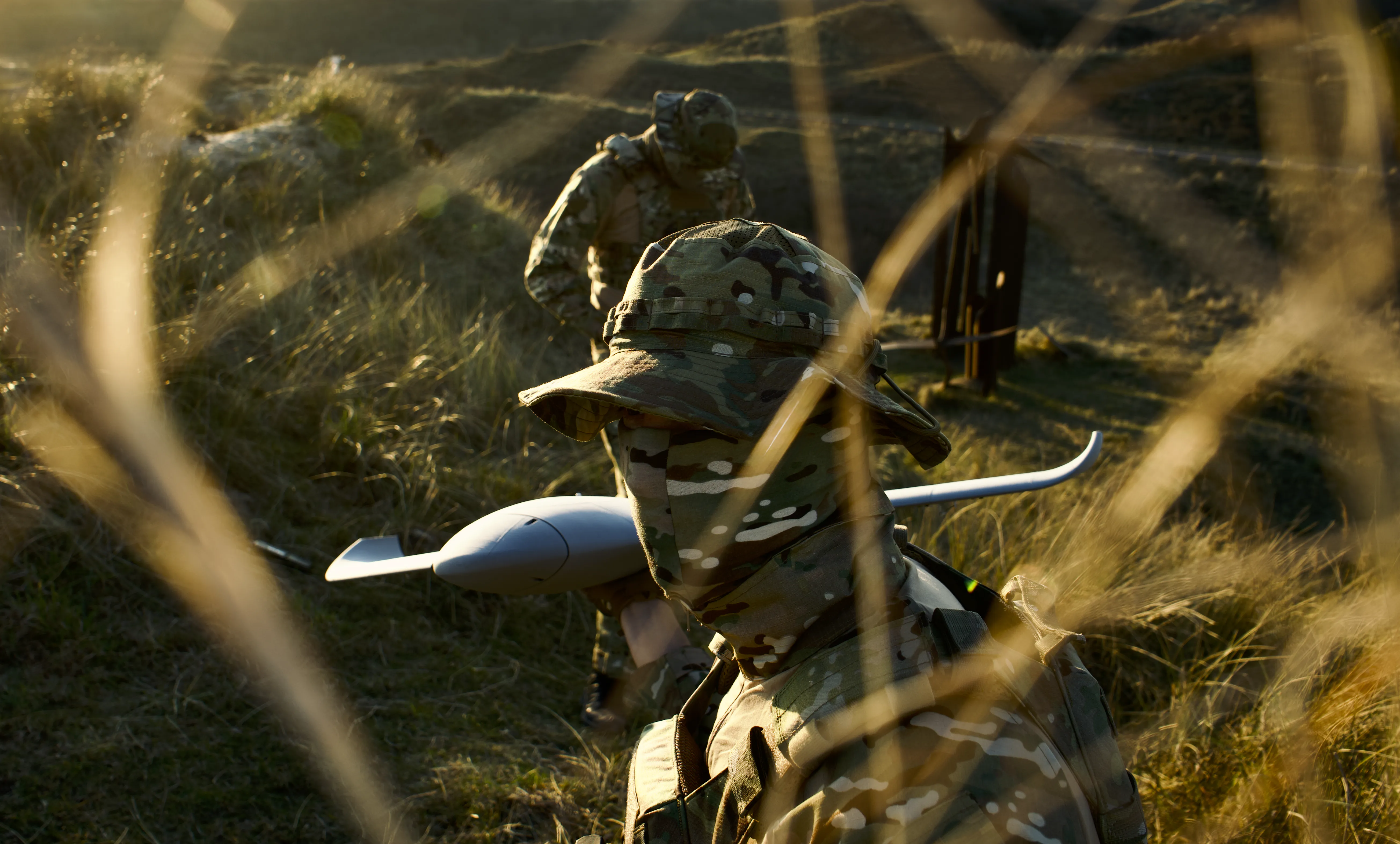
To test what a more connected approach looks like in practice, Intelic recently joined its European partners for a counter-drone field test in Latvia, bringing together multiple sensors, NEXUS Command and Control, and an interceptor drone into one operational workflow.
Rather than treating each system as a standalone capability, NEXUS was used as the orchestration platform connecting all of them. When a sensor detected an airborne object, that information was instantly brought into the NEXUS operational picture. From there, commanders could identify relevant threats, correlate and assess their track, and initiate the response towards operators directly through the platform, without the need for radio communication. Thus, the test demonstrated a software loop in which information from sensors could quickly task an interceptor.
The test demonstrated why interoperability matters for C-UAS
NEXUS is designed to guarantee and enhance interoperability. It does not replace the existing defence ecosystem if that is not the desired outcome. This means that NEXUS can be utilized for a host of capabilities: connecting a mixed-vendor unmanned fleet to the existing intelligence, battle management and shooter ecosystem, and additionally enabling the tactical tasking and communication loop those systems do not provide on their own. In short, NEXUS allows information from different systems and vendors to be brought into a shared operational environment and take action immediately.
Offensive UAS, ISR assets and counter-UAS capabilities are frequently operated by different teams, with different interfaces and different pictures of the battlefield. That separation can make it harder to understand what is happening across the battle space, particularly when multiple unmanned systems are operating simultaneously and must be distinguishable from a threat.
A counter-UAS team needs to move from detection and into coordination in a matter of seconds to be able to respond effectively. During our test in Latvia, this meant combining different systems for the creation of a more connected path - from sensor to decision to effect - while still allowing these systems to exist, and empowering the people relying on them.
As drone threats increase seemingly weekly in Europe, defence forces are faced with detecting more and more incoming threats, distinguishing between friendly and hostile systems, coordinating across multiple sensors and effectors, and acting within seconds. The systems responsible for each part of that process often operate separately, generating a unique pressure on Commanders and Operators to respond quickly and manually bridge the technological gap.
Counter-drone measures currently utilize different platforms for radar, RF detection, battle management systems, and operating the interceptor drones themselves. That fragmentation costs valuable time that hinders counter-UAS engagement.
Testing the complete counter-UAS loop
To test what a more connected approach looks like in practice, Intelic recently joined its European partners for a counter-drone field test in Latvia, bringing together multiple sensors, NEXUS Command and Control, and an interceptor drone into one operational workflow.
Rather than treating each system as a standalone capability, NEXUS was used as the orchestration platform connecting all of them. When a sensor detected an airborne object, that information was instantly brought into the NEXUS operational picture. From there, commanders could identify relevant threats, correlate and assess their track, and initiate the response towards operators directly through the platform, without the need for radio communication. Thus, the test demonstrated a software loop in which information from sensors could quickly task an interceptor.
The test demonstrated why interoperability matters for C-UAS
NEXUS is designed to guarantee and enhance interoperability. It does not replace the existing defence ecosystem if that is not the desired outcome. This means that NEXUS can be utilized for a host of capabilities: connecting a mixed-vendor unmanned fleet to the existing intelligence, battle management and shooter ecosystem, and additionally enabling the tactical tasking and communication loop those systems do not provide on their own. In short, NEXUS allows information from different systems and vendors to be brought into a shared operational environment and take action immediately.
Offensive UAS, ISR assets and counter-UAS capabilities are frequently operated by different teams, with different interfaces and different pictures of the battlefield. That separation can make it harder to understand what is happening across the battle space, particularly when multiple unmanned systems are operating simultaneously and must be distinguishable from a threat.
A counter-UAS team needs to move from detection and into coordination in a matter of seconds to be able to respond effectively. During our test in Latvia, this meant combining different systems for the creation of a more connected path - from sensor to decision to effect - while still allowing these systems to exist, and empowering the people relying on them.